Tuckpointing & Repointing Services
Professional mortar joint restoration to strengthen and protect your masonry.
Understanding Tuckpointing and Repointing
If you have noticed crumbling mortar between your bricks or gaps where the mortar has fallen out completely, you need tuckpointing or repointing services. These terms are often used interchangeably, though they technically describe slightly different processes. Repointing means removing damaged mortar and replacing it with fresh mortar that matches the original in strength and composition. Tuckpointing involves filling the joints and then adding a thin contrasting line of mortar for a decorative finish.
The mortar joints in your brick walls do more than just hold the bricks together. They create a weathertight seal that prevents water from entering your walls. They allow for slight movement in the masonry as temperatures change. They also serve as a sacrificial layer that protects the more expensive bricks. Mortar is designed to be softer than brick, so it weathers first and can be replaced without damaging the brick itself.
Here in Greeley, mortar joints take a beating from our weather. Summer heat dries them out and causes shrinkage. Winter freeze-thaw cycles crack and loosen the mortar. Wind-driven rain pushes water into any tiny gaps. Over time, even the best mortar will deteriorate and need replacement. The good news is that repointing your masonry extends its life by decades and costs far less than replacing damaged bricks or dealing with water damage inside your walls.
Signs Your Masonry Needs Repointing
Knowing when to repoint your masonry saves you money and prevents bigger problems. Do not wait until mortar is falling out in chunks or water is visibly leaking through your walls. Here are the warning signs that tell you it is time to call professional masons:
- Mortar that crumbles easily when you scrape it with a fingernail or screwdriver
- Visible gaps or cracks in mortar joints, especially horizontal joints that collect water
- White chalky deposits on brick faces indicating water is moving through damaged mortar
- Loose bricks that can be wiggled or shifted because the mortar no longer holds them tight
- Interior water stains or dampness on walls, particularly after rain
- Mortar that has receded more than a quarter inch behind the brick face
If you see any of these signs, get an inspection soon. Damaged mortar lets water into your wall cavity where it can cause rot, mold, and structural damage you cannot see. The longer you wait, the more extensive the damage becomes. What starts as a simple repointing job can turn into major brick replacement if water gets inside and freezes. We offer free inspections and honest assessments of what needs to be done and when.
Our Tuckpointing Process
Proper tuckpointing requires skill, patience, and the right materials. We start by carefully removing the damaged mortar using specialized grinders and hand tools. We cut the joints to a consistent depth, typically three-quarters of an inch to one inch, depending on the wall thickness. Going deep enough ensures the new mortar has adequate bonding surface, but we take care not to damage the brick edges.
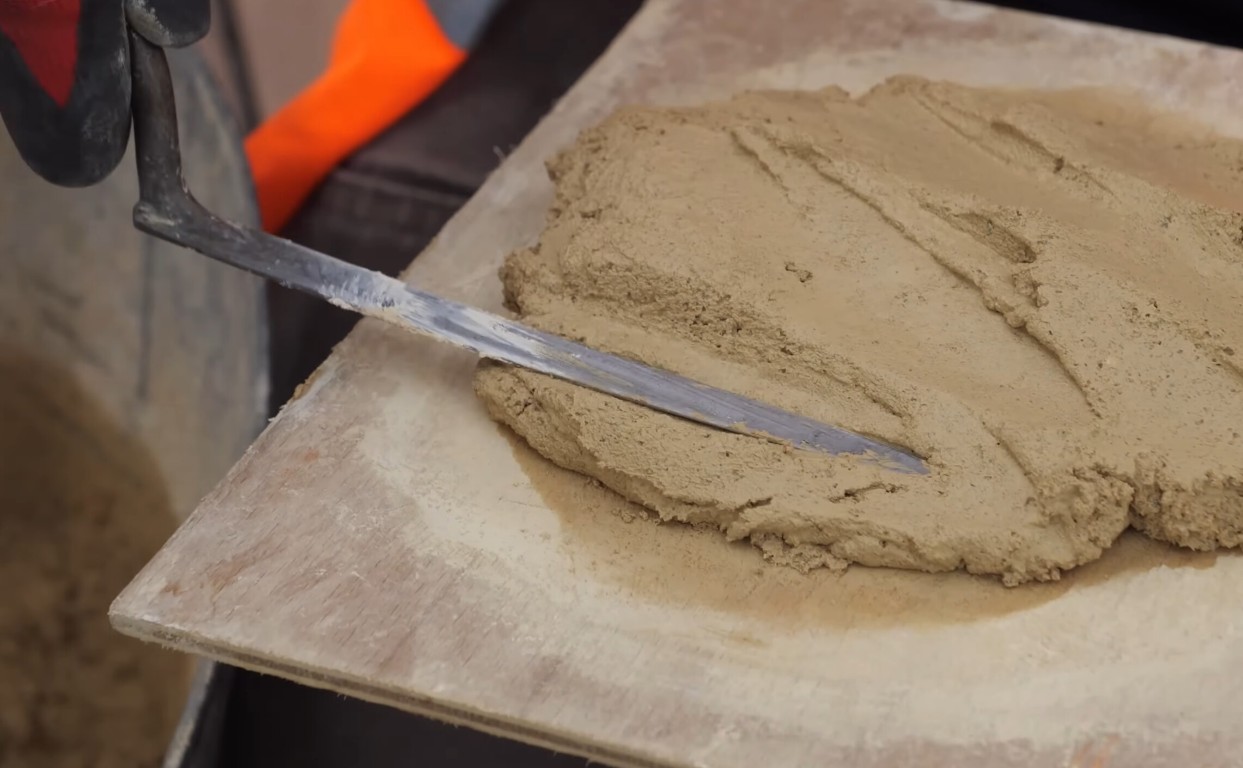
Before applying new mortar, we clean out all loose material and dust from the joints. We pre-wet the area so the dry bricks do not suck moisture out of the fresh mortar too quickly. Then we mix mortar to match your existing mortar in color, texture, and strength. This matching process is critical. Using modern Portland cement mortar on old brick can actually cause damage because it is too hard and does not breathe properly.
We apply the new mortar in layers, packing it tightly into the joints to eliminate air pockets. Once the mortar reaches the right consistency, we tool the joints to match your existing profile. This might be flush, concave, weathered, or another style. The tooling compacts the mortar and creates a weather-resistant surface. After the mortar cures, we clean the brick faces to remove any residue. The result looks clean and professional while providing decades of protection. If you also need brick repair work, we can handle both services during the same project for efficiency.
Why Professional Tuckpointing Matters
Many homeowners consider tuckpointing a do-it-yourself project, but this often leads to problems. Using the wrong mortar mix can trap moisture and cause spalling. Removing too much mortar weakens the wall. Applying mortar when conditions are too hot or cold results in poor bonding. These mistakes can actually make your masonry worse and cost more to fix later.
Professional masons understand mortar chemistry and know how to match existing mortar properly. We consider the age of your building, the type of brick, exposure to weather, and other factors when formulating mortar mix. We have the specialized tools to remove old mortar without damaging bricks. We know how to work in different weather conditions and understand proper curing techniques. These details make the difference between repointing that lasts five years and repointing that lasts fifty years.
Historic homes require even more specialized knowledge. Old buildings often used lime-based mortars that need to be matched with similar lime mortars. Using Portland cement on historic masonry can trap moisture and cause irreversible damage. We have experience working with historic buildings and understand preservation standards. Whether your home was built last year or a hundred years ago, we use appropriate materials and techniques. Our chimney repair services also include specialized tuckpointing for chimney masonry that faces harsh weather exposure.